
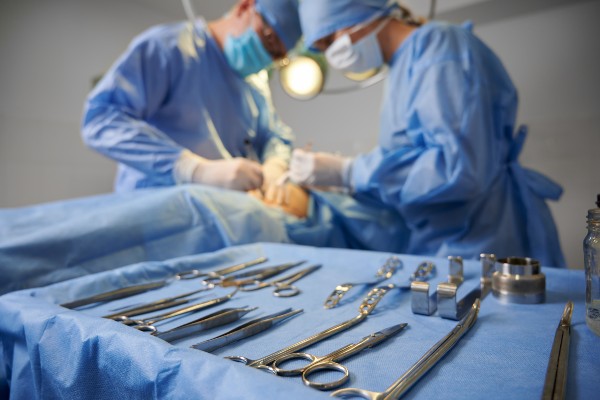
Surgery is often performed to save lives, restore health, or improve quality of life. Patients place immense trust in surgeons, anesthesiologists, nurses, and hospitals to provide safe and competent care. While many surgical procedures are successful, errors still occur—and when they do, the consequences can be devastating.
Some surgical mistakes rise to the level of medical malpractice, meaning the harm resulted from care that fell below the accepted medical standard. Understanding these errors is an important first step for patients seeking answers and accountability.
A surgical error is a preventable mistake that occurs before, during, or after surgery. Not all complications are malpractice—medicine involves risk. However, when an error is caused by negligence rather than an unavoidable complication, it may be grounds for a malpractice claim.
These are considered “never events”—mistakes that should never happen with proper safeguards in place. Examples include operating on the wrong body part, performing the wrong procedure, or operating on the wrong patient entirely. These errors often stem from failures in communication, verification, or surgical time-outs.
Leaving sponges, clamps, or other instruments inside a patient after surgery can cause severe infection, internal damage, and additional surgeries. These errors are typically preventable through proper counting procedures and post-operative checks.
Mistakes involving anesthesia—such as administering the wrong dosage, failing to monitor vital signs, or not reviewing a patient’s medical history—can result in brain damage, cardiac arrest, or death. Anesthesiologists and nurse anesthetists are held to strict standards because of these high risks.
While some risk of injury exists in surgery, unnecessary damage to nerves or organs may indicate negligence. This can occur due to lack of surgical skill, inattention, or operating outside accepted techniques.
Post-surgical infections may be signs of malpractice when they result from unclean instruments, unsanitary operating rooms, or failure to follow infection-control protocols. These infections can prolong recovery, cause permanent injury, or become life-threatening.
Malpractice doesn’t end when surgery is over. Failing to recognize internal bleeding, blood clots, or signs of infection after surgery can be just as dangerous as errors made in the operating room.
To qualify as medical malpractice, four elements are generally required:
An unfavorable outcome alone is not malpractice. The key question is whether the injury could have been prevented if proper care had been provided.
Surgical malpractice can lead to prolonged pain, disability, lost income, emotional trauma, and, in the most severe cases, wrongful death. Beyond the physical harm, patients often struggle with a loss of trust in the medical system and unanswered questions about what went wrong.
If you or a loved one has been harmed by a surgical error, consulting with a qualified medical malpractice attorney can help determine whether negligence occurred. A thorough review of medical records and expert analysis is often necessary to uncover the truth.
Surgical errors are not just statistics—they are life-altering events for real people. While medicine is complex, preventable mistakes should not be accepted as inevitable. Awareness, accountability, and patient advocacy play critical roles in improving surgical safety and protecting patients’ rights.
Berkowitz Hanna