
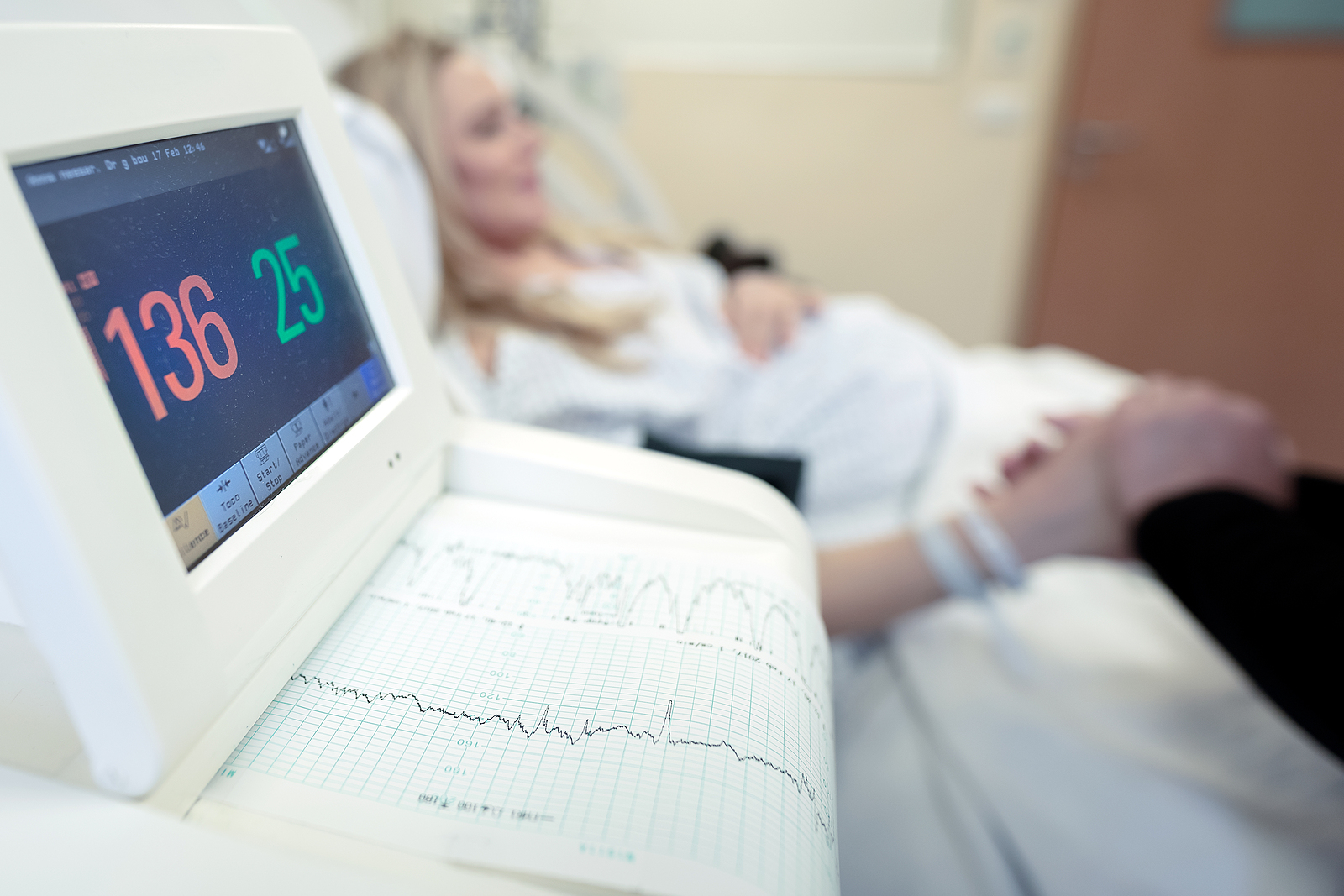
Fatigue, swollen feet, and shortness of breath can be part of pregnancy. Unfortunately, they can also be signs that the heart is not working properly. Because these symptoms overlap, a serious heart condition may be mistaken for the normal physical changes of pregnancy or recovery after childbirth. In a June 2026 scientific statement, the American Heart Association emphasized that this overlap can delay the recognition of heart failure and contribute to serious complications for mothers.
One condition that can be overlooked is peripartum cardiomyopathy, a form of heart failure that develops near the end of pregnancy or in the months after delivery. Recognizing the warning signs and responding appropriately can help patients receive the care they need.
Peripartum cardiomyopathy, often called PPCM, occurs when the heart muscle weakens and cannot pump blood as effectively as it should, without another identifiable cause. It can develop in someone who has never been diagnosed with heart disease. The resulting problems with blood flow and fluid buildup can cause breathlessness, fatigue, and swelling.
The National Heart, Lung, and Blood Institute estimates that the condition affects approximately 1 in 1,000 to 1 in 4,000 pregnant women in the United States. Risk factors include high blood pressure and preeclampsia, carrying multiple babies, and older maternal age. Although uncommon, PPCM can have serious, lasting consequences.
The challenge is not simply recognizing that a patient feels tired or has swollen feet. It is recognizing when symptoms need further investigation rather than assuming they are expected during pregnancy.
The Centers for Disease Control and Prevention identifies the following as urgent maternal warning signs:
These symptoms do not necessarily mean a patient has PPCM, but they can indicate a serious condition. The CDC recommends immediate medical care for urgent maternal warning signs during pregnancy and in the year after delivery. Patients should tell the treating provider that they are pregnant or have recently given birth. Severe breathing difficulty, chest pain, or loss of consciousness may require emergency care; call 911 for a medical emergency.
When symptoms raise concern for heart failure, an echocardiogram., which is an ultrasound of the heart, can help determine whether the heart’s pumping function is weakened. The evaluation may also include blood tests, such as BNP or NT-proBNP, which can help identify stress on the heart. Providers must also consider other possible causes of the patient’s symptoms before diagnosing PPCM.
The American College of Cardiology identifies echocardiography as necessary for diagnosing PPCM and notes that diagnosis is often delayed because the symptoms resemble those of normal pregnancy. This makes careful evaluation particularly important when symptoms persist or become more concerning.
Research has linked earlier diagnosis with better recovery. In a retrospective study of 220 women published in Hypertension, researchers found that recovery of heart function was more common among women diagnosed during pregnancy or before one month after delivery than among those diagnosed later: approximately 70% compared with 54%. This was an observational study, so it does not prove that a delay alone caused a worse outcome. It does, however, support the importance of early recognition and monitoring.
Many women recover from PPCM, but others experience long-term heart problems or complications such as blood clots, an irregular heartbeat, or stroke. Treatment may include medications to improve heart function and manage fluid buildup, with the treatment plan adjusted for pregnancy or breastfeeding.
Care also should not end once the immediate symptoms improve. The American Heart Association emphasizes the importance of follow-up after delivery and coordination between obstetric providers and heart specialists when managing pregnancy-related heart failure.
Developing PPCM does not, by itself, mean that a medical provider was negligent. Likewise, a difficult diagnosis or a poor outcome does not automatically establish malpractice. In Connecticut, a claim generally requires proof that a provider’s care fell below the applicable professional standard and that this failure caused injury. Expert medical testimony is generally necessary to establish those issues. (CT Gen Stat § 52-184c).
In a potential delayed-diagnosis case, a review may examine whether worsening symptoms were appropriately investigated, whether concerning test results received follow-up, and whether additional testing or specialist involvement was warranted. The question is not simply whether PPCM was eventually diagnosed. It is whether a reasonably careful provider should have responded differently to the information available at the time—and whether that failure caused additional harm. ((CT Gen Stat § 52-184c).
For a family facing the consequences of a missed diagnosis, those questions can be difficult to answer without reviewing the medical records and obtaining qualified medical opinions.
If you believe that you or a loved one suffered harm because a pregnancy-related heart condition was not properly evaluated or treated, contact Berkowitz Hanna to discuss your concerns and request a free consultation.
Berkowitz Hanna