
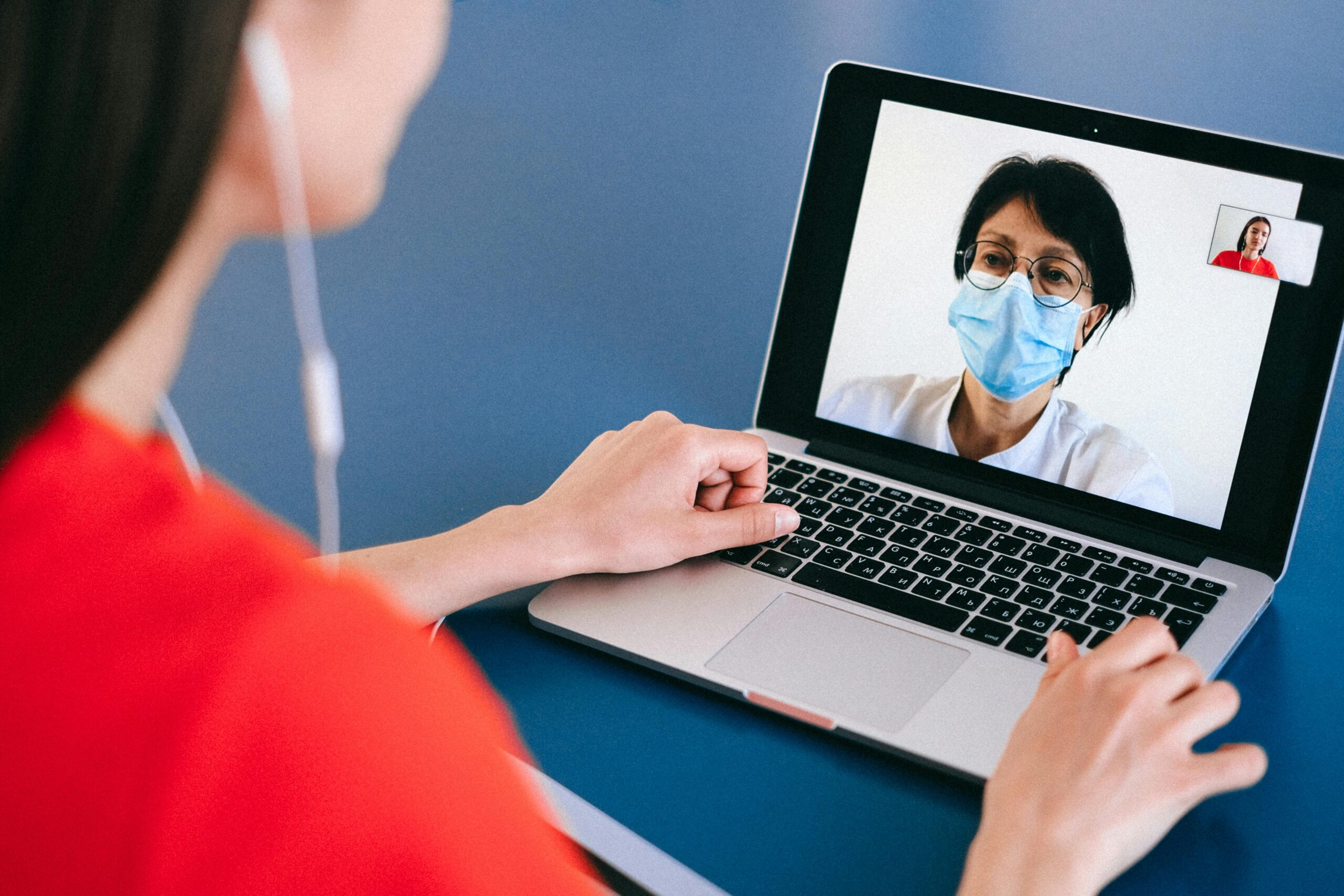
Telemedicine has transformed how patients access care. Virtual appointments can be faster, more convenient, and more affordable—especially for people in rural areas, those with mobility challenges, or anyone who needs timely medical advice without the burden of travel. But as telemedicine has become more common, an important legal question has followed: what happens when something goes wrong during a virtual visit?
Medical malpractice law still applies in telemedicine settings, but the way errors occur and are evaluated can differ from traditional in-person care.
Telemedicine generally refers to the delivery of healthcare services through electronic communication, such as video calls, phone consultations, patient portals, or remote monitoring tools. Providers may diagnose conditions, prescribe medications, review test results, or offer follow-up care without seeing the patient face-to-face.
While telemedicine expands access to care, it also introduces limitations that can affect the quality and safety of treatment.
Yes. A healthcare provider can be held liable for medical malpractice arising from a telemedicine visit if they fail to meet the applicable standard of care and that failure causes patient harm.
The standard of care in telemedicine generally requires providers to:
Telemedicine does not lower a provider’s legal responsibilities—it simply changes the context in which care is delivered.
Medical malpractice claims involving telemedicine often stem from challenges unique to virtual care, including:
Without a physical exam, providers may miss visible symptoms, fail to detect complications, or rely too heavily on patient self-reporting. This can lead to incorrect diagnoses or dangerous delays in treatment.
One of the most common telemedicine errors is failing to escalate care. If a patient’s symptoms warrant an in-person examination, imaging, lab tests, or emergency treatment, the provider must recognize those limitations and make an appropriate referral.
Technical issues, rushed appointments, or incomplete medical histories can result in an insufficient evaluation. Providers must still ask the right questions and gather enough information to make safe clinical decisions.
Prescribing medication without proper review of allergies, interactions, or contraindications can be especially risky in virtual visits—particularly when there is limited access to prior medical records.
Poor audio or video quality, language barriers, or unclear instructions can lead to misunderstandings about diagnoses, treatment plans, or follow-up care.
Telemedicine often crosses state lines, complicating malpractice claims. Providers typically must be licensed in the state where the patient is located at the time of the visit. If a provider is not properly licensed, that issue can affect both regulatory compliance and liability.
Jurisdictional questions—such as which state’s laws apply—can also play a significant role in telemedicine malpractice cases.
To succeed in a medical malpractice claim involving telemedicine, a patient generally must show:
Medical experts are often required to testify about whether the provider’s actions were reasonable, given the limitations and expectations of telemedicine.
If you are injured after a telemedicine visit, it is important to:
Telemedicine can be a valuable tool, but patients should never hesitate to ask for an in-person evaluation when something feels wrong.
As telemedicine continues to evolve, so will the legal standards governing it. Courts and regulators are still shaping how traditional malpractice principles apply to emerging healthcare technologies.
What remains constant is this: patients are entitled to competent, careful medical treatment, whether it happens in an exam room or through a screen.
If you believe a telemedicine provider failed to meet that standard and caused harm, speaking with an experienced medical malpractice attorney can help you understand your rights and options.
Berkowitz Hanna