
Pregnancy is often described as a time of excitement and anticipation. But for families facing a high-risk pregnancy, it can also be filled with anxiety and uncertainty. In these situations, medical care isn’t just important — it’s critical. When hospitals or healthcare providers fail to meet the required standard of care, the consequences can be devastating.
This blog explores what hospital negligence looks like in high-risk pregnancies, common warning signs, and what families can do to protect their rights.
A pregnancy is considered “high-risk” when there are increased chances of complications affecting the mother, baby, or both. Common factors include:
In these cases, careful monitoring, timely intervention, and adherence to medical protocols are essential.
Hospital negligence occurs when a healthcare facility or its staff fail to provide care that meets accepted medical standards, resulting in harm. In high-risk pregnancies, even a small oversight can lead to life-altering consequences.
Negligence can involve:
Hospitals have a legal duty to ensure proper systems, trained personnel, and timely responses are in place — especially in high-risk situations.
Untreated preeclampsia can lead to seizures (eclampsia), organ failure, stroke, or stillbirth. Early symptoms — such as high blood pressure and protein in urine — should never be ignored.
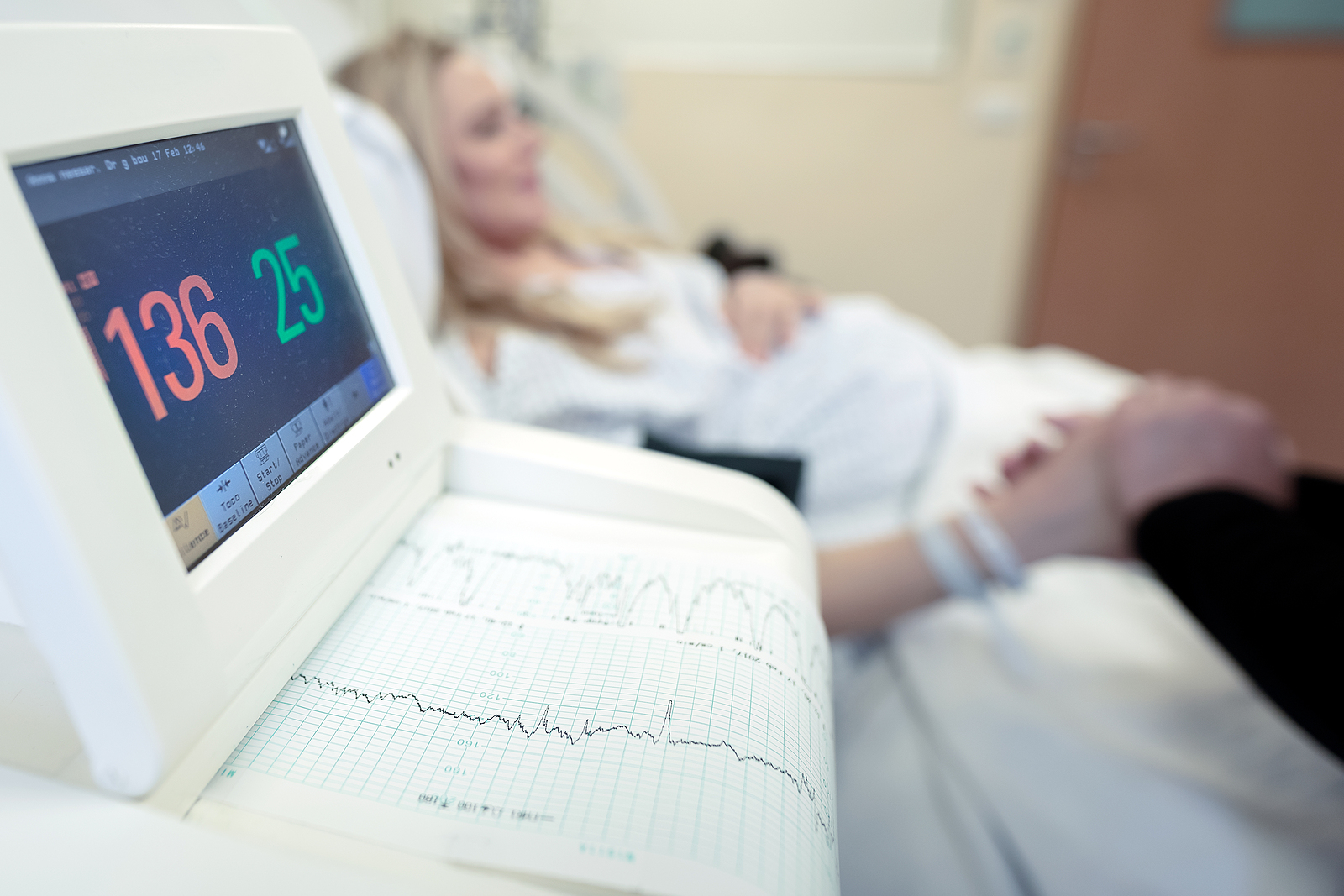
If fetal monitoring shows distress, immediate action is often required. Delays in performing a C-section can result in oxygen deprivation, potentially causing conditions like cerebral palsy.
Uncontrolled blood sugar can cause excessive fetal growth, birth injuries, or stillbirth. Proper management and delivery planning are essential.
Conditions such as placenta previa or placental abruption require careful observation and often planned early delivery. Failure to act quickly can endanger both mother and baby.
The impact of negligence in high-risk pregnancies can be profound:
Beyond physical harm, families may experience deep psychological distress and loss of trust in medical systems.
While not every complication is the result of negligence, warning signs may include:
If something feels wrong, it’s important to ask questions and request clarification immediately.
Hospitals and healthcare providers are legally obligated to meet established standards of care. When they fail, affected families may be entitled to pursue a medical negligence claim.
Compensation can help cover:
Each case depends on proving:
Consulting with a medical malpractice attorney can help families understand their options.
Proactive communication and awareness can reduce risks and improve outcomes.
High-risk pregnancies demand vigilance, expertise, and compassionate care. While many hospitals provide excellent treatment, failures in care can and do occur. When they do, families deserve answers — and accountability.
If you suspect hospital negligence during a high-risk pregnancy, seek both medical and legal advice promptly. Protecting your family’s future starts with understanding your rights, and we are here to help. Call today.
Berkowitz Hanna